A Practical Beach Holiday Packing List for Sun, Rain and Transfers
A beach holiday bag should work at the airport, on the transfer and during the ordinary day, not only in a photograph beside the water. Start with the strictest booked allowance and the activities you actually intend to do. This original checklist is not a medical plan or a universal product recommendation. Check carrier, airport, local environmental and activity-provider rules, and use personal health advice where your circumstances require it.
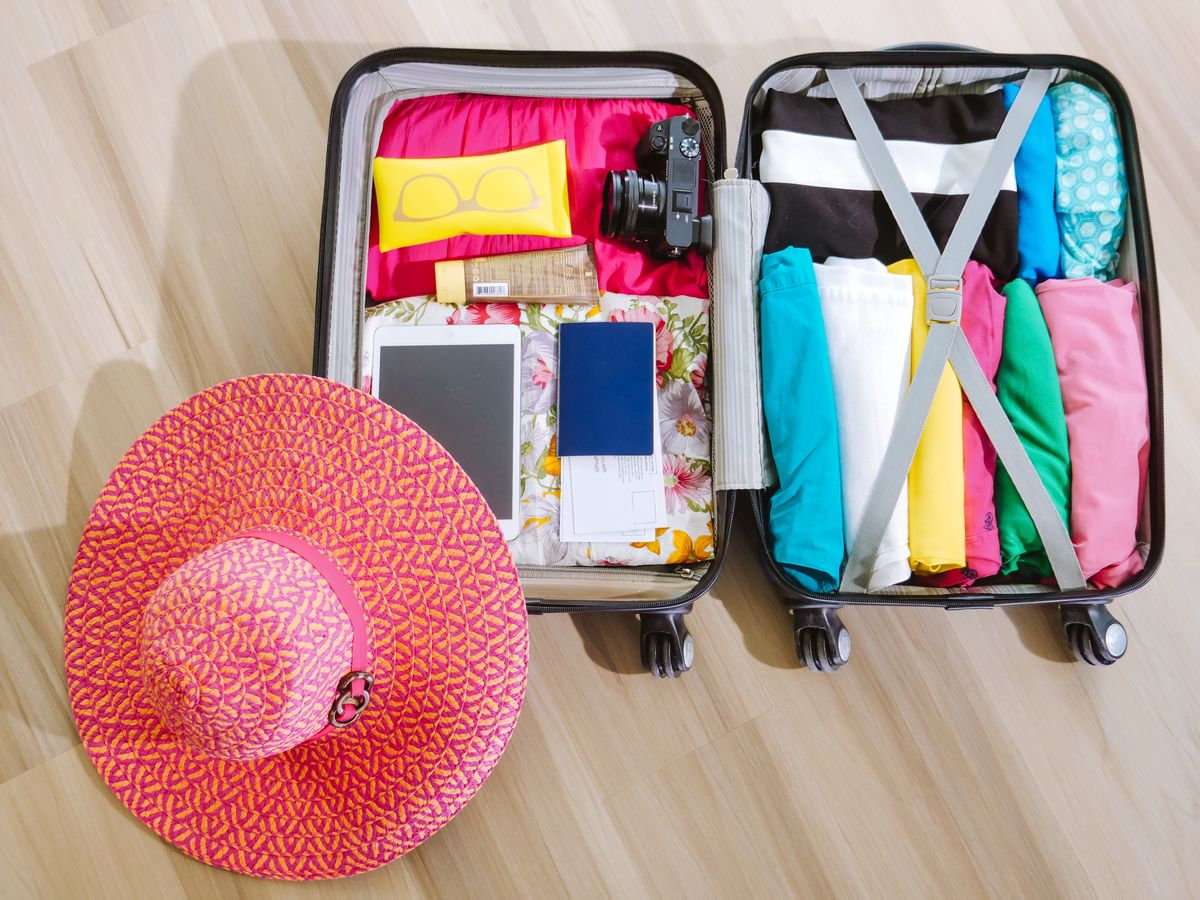
Photo: Pexels · Pexels License. Illustrative photograph of the subject; not a tested result, current condition report or endorsement. Display may crop the original.
List every transport allowance
Record the purchased fare's bag dimensions, weight and item count for each flight, boat or other transfer. An international airline allowance may not apply to an onward island service. Include special equipment rules if relevant and ask the operator directly where unclear. Measure and weigh the packed bag, not only the empty case. Choose luggage you can handle through the actual boarding and final property route rather than assuming someone else will carry it.
Pack a small clothing rotation
Choose light clothes that suit the climate, local conduct and planned meals, plus a layer for air-conditioned transport or changing weather. Include suitable rain protection rather than assuming every tropical day stays dry. Plan laundry and drying if the stay is long, checking the property's facilities and garment care. Avoid filling the bag with several nearly identical outfits while omitting practical footwear or the clothing required for a specific cultural visit.
Make sun protection a system
Pack appropriate protective clothing, a hat, sunglasses and suitable sunscreen used according to its label and current health guidance. Shade and clothing matter alongside a product. Check any destination-specific product restrictions rather than treating a marketing label as legal compliance. For babies, medical conditions or medication-related concerns, obtain appropriate individual advice. Do not use a holiday packing article as a substitute for a clinician or the product's instructions.
Choose footwear for the actual route
Consider airport walking, boat boarding, wet surfaces and any inland activity. Familiar footwear that fits can be more useful than a new pair bought for appearance. Ask the operator about specific activity requirements rather than assuming one sandal serves every purpose. Do not use footwear as permission to walk on coral or enter unsuitable water. Pack shoes so wet or dirty soles are separated from clean clothing.
Organize the transfer essentials pouch
Keep documents, tickets, important medication, payment backup, a change of essential clothing and a suitable weather layer accessible according to carrier rules. A waterproof pouch can help with splashes, but verify its limits and do not assume every bag is submersible. Avoid putting all critical items in luggage that may be stored separately. The pouch should be small enough to manage during boarding rather than becoming another oversized piece.
Check devices and batteries
Bring only the electronics needed for the trip and verify plug and power arrangements through the property. Follow the actual airline and relevant authority rules for power banks, batteries and any camera equipment. Keep appropriate protection against moisture and use manufacturer instructions. Do not rely on a generic travel adapter to convert voltage where a device requires something different. Check the label and equipment guidance before connecting.
Avoid unnecessary specialist equipment
If planning snorkeling or another managed activity, ask what is supplied, what must be brought and how fit or hygiene is handled. Do not buy equipment as a substitute for the required ability or instruction. A first-time participant should discuss suitability with the operator. Leave prohibited wildlife, plant or food items out of luggage and check customs rules for any purchases. A foldable extra bag can violate an item-count allowance, so it is not a universal shopping solution.
Do a complete packing rehearsal
Pack, weigh and carry the full system, then retrieve the items needed during the transfer without emptying the case. Remove duplicates and check that essential personal needs remain covered. Keep wet-clothing storage and drying in mind for departure day. A useful island bag reduces repeated decisions and awkward boarding; it does not need to be minimal at the expense of comfort, legal requirements or important health supplies.
Your working checklist
Checkmarks stay in this browser when storage is available. They do not submit information or complete a purchase.
Put it into practice
- Record the strictest actual baggage limits.
- Choose clothes for weather, local conduct and intended activities.
- Pack a complete sun-protection approach and follow product guidance.
- Select familiar footwear for the actual surfaces.
- Keep critical items in an accessible permitted pouch.
- Verify device power and battery rules.
- Weigh and carry the packed system and remove unnecessary duplicates.
Before you finish
- Onward-transfer baggage rules are checked separately.
- Sun protection is not reduced to one marketing label.
- Equipment does not substitute for activity suitability.
- Essential medication and documents remain accessible.
Common questions
Do I need a different outfit for every day?
Not necessarily. A small rotation can work when laundry and drying are practical. Check the actual climate, activities and personal needs rather than following a fixed universal item count.
Is reef-safe labeling enough?
Do not assume a marketing label establishes compliance with local rules or complete environmental harmlessness. Check the destination's current requirements and use products according to their instructions, alongside clothing and shade.
Should I bring my own snorkeling equipment?
Ask the operator what is supplied and how fit and hygiene are handled. Ownership does not replace swimming ability, suitable conditions or instruction. Buy only what solves a real need for the planned activity.
Can I use the same baggage allowance on every segment?
No. Check each carrier and purchased product, including smaller onward services. Weigh and measure the actual packed bag and ask about special equipment before departure.