Respectful Island Travel: Wildlife, Beaches and Local Communities
Responsible island travel begins with recognizing that a destination is a home and ecosystem, not an unlimited collection of visitor backdrops. Practical choices about access, transport, wildlife and photographs can reduce avoidable harm while making the trip more meaningful. This original checklist does not claim every destination has identical laws or certify a provider as sustainable. Check current local rules and the responsible authority for the particular place and activity.
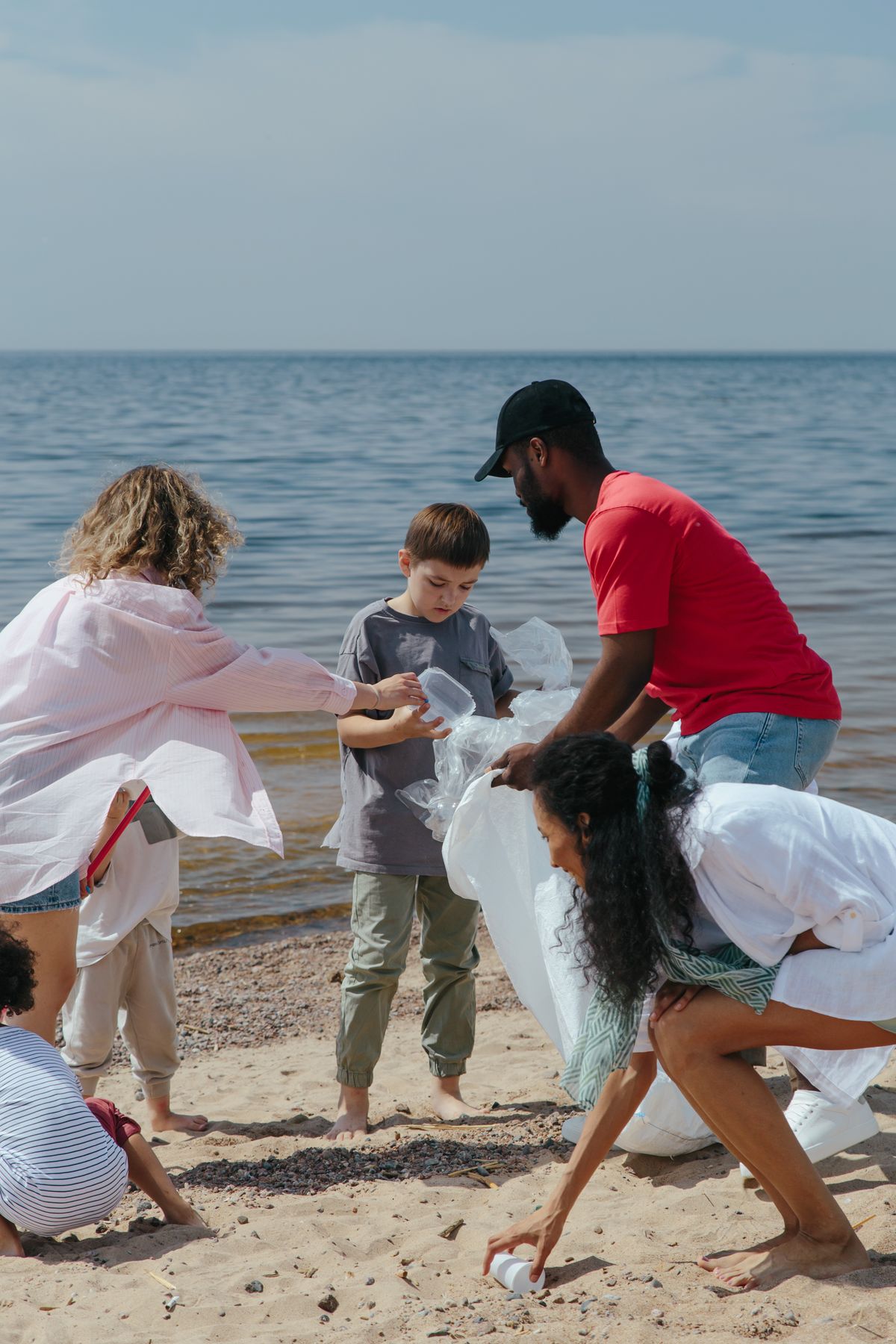
Photo: Pexels · Pexels License. Illustrative photograph of the subject; not a tested result, current condition report or endorsement. Display may crop the original.
Learn the place before the photo list
Use official destination and community-led information to understand local history, names and visitor expectations. Choose cultural activities because you want to learn, not merely because they produce a distinctive image. Ask what the host expects in clothing, participation and photography. Do not treat a community as an attraction open at all hours. A shorter well-explained visit can be more meaningful than several stops with no context.
Verify legal public access
Check the current status of beaches, trails, parks and roads through the responsible authority. A social-media map pin does not create permission to cross private land or enter a closed route. Follow signs and marked paths, and do not move barriers to obtain a photograph. If access is unclear, ask rather than following footprints. Keep a permitted alternative in the same area so a closure does not create pressure to trespass.
Keep wildlife observation nonintrusive
Use current local legal requirements and responsible viewing guidance for the species and setting. Do not touch, feed, pursue or crowd wildlife. A resting animal on a beach is not an invitation for a close portrait. Choose providers who explain appropriate conduct and follow their instructions. Avoid promising a wild encounter in the itinerary. A natural outing can be worthwhile even when the animal shown in advertising does not appear.
Treat coral and shore habitat carefully
Follow local guidance on where to walk, enter water or place equipment. Do not stand on or collect coral, disturb nesting areas or remove natural material simply as a souvenir. A shoe or fin does not grant permission to damage the surface beneath it. Ask a responsible operator about the actual site and choose a different activity when conditions make appropriate conduct difficult. Conservation is part of suitability, not a decorative extra after the booking.
Make photographs with consent and context
Ask before photographing identifiable people in settings where consent is appropriate, particularly during cultural or private activities. Follow venue and community restrictions. Avoid labeling a generic tropical image as a named beach or implying an illustrative photograph records a personal visit. Keep location information accurate, and consider whether publishing sensitive access details could create harm. A dramatic image does not justify crossing boundaries or disturbing others.
Choose services with specific questions
Ask providers about waste handling, local conduct, wildlife rules and the actual activity arrangements. Treat a broad green label as a prompt for questions rather than proof of every claim. Compare the service you will use, including group size and access, instead of assuming a higher price or a smaller company automatically means better practice. Pay agreed prices and respect work schedules. Responsible travel includes ordinary consideration for the people providing the holiday.
Pack and consume with the setting in mind
Bring useful reusable items where practical and allowed, but do not assume every destination has the same drinking-water or refill arrangements. Follow property and local guidance. Dispose of waste through the appropriate system and avoid leaving packaging at beaches or ports. Check customs and biosecurity rules for food, plants and natural souvenirs before transporting them. A low-waste intention does not override health, import or local conservation requirements.
Leave room for a respectful change
If a site is closed, wildlife is resting or the host changes an activity, use the alternative rather than demanding the promotional scene. Keep enough flexibility that appropriate conduct is easy to follow. Record the actual experience honestly and avoid claiming that one small action makes the whole holiday impact-free. A considered itinerary supports the place's ordinary life while giving visitors a meaningful, lawful and manageable experience.
Your working checklist
Checkmarks stay in this browser when storage is available. They do not submit information or complete a purchase.
Put it into practice
- Learn local context before selecting cultural activities.
- Verify legal public access for every important site.
- Follow current wildlife distances and conduct rules.
- Protect coral and shore habitat according to local guidance.
- Ask permission and label photographs accurately.
- Question specific provider practices rather than relying on broad labels.
- Use permitted alternatives when conditions or restrictions change.
Before you finish
- Social-media popularity is not treated as access permission.
- Wildlife encounters are unguaranteed and nonintrusive.
- Check that the operator’s named destination matches the route, permit and meeting-point information.
- Natural souvenirs are checked against conservation and import rules.
Common questions
Can I visit a place because many people post it online?
Not automatically. Verify current legal access and restrictions. Online popularity does not grant permission to cross private land, ignore closures or disturb a sensitive site.
Is a sustainable label enough to choose a tour?
Use it as a starting point for specific questions about the service and actual practices. Do not assume one label certifies every aspect of an operator or activity.
Can I approach wildlife for a quick photograph?
Follow current local legal requirements and responsible viewing guidance. Do not crowd, touch, feed or pursue animals. A short interaction can still disturb them.
Should I publish every exact location?
Keep information accurate, but consider local restrictions and sensitivity. Follow responsible authority or community guidance, and do not reveal prohibited access routes or imply permission where none exists.