A Family Island Holiday: Design Simple Days and Easier Transfers
A family island holiday should make ordinary days easier, not require every child to enjoy the same water activity or late excursion. Choose a base and transfer that fit the actual family, then verify room, meal and activity requirements directly. This original framework is not an age-based safety guarantee or childcare recommendation. Use current local advice and appropriate individual health guidance where needed, particularly for infants or specific medical circumstances.
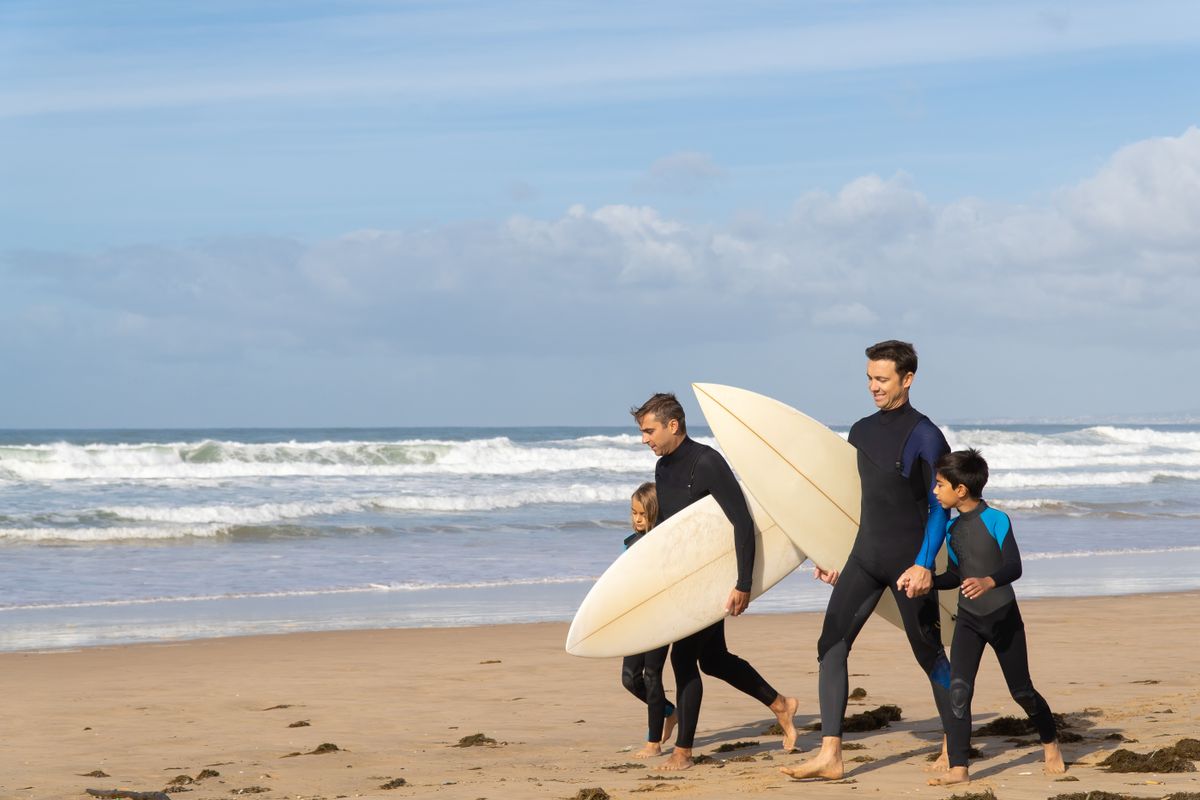
Photo: Pexels · Pexels License. Illustrative photograph of the subject; not a tested result, current condition report or endorsement. Display may crop the original.
Choose a family rhythm before a resort
Discuss sleep, meals, walking tolerance and the amount of organized activity the children usually enjoy. Pick one main activity per day and keep a simpler nearby alternative. A property with many advertised facilities may still create long walks or a complicated transfer. Decide whether quiet rest, cultural interests or managed activities matter most. Let that pattern determine the base rather than choosing the largest list of amenities.
Compare the complete transfer with children
Ask about waiting, boarding, luggage, child seats where relevant, toilets and the final route to the room. Verify the actual carrier's age, fare and equipment rules. A short crossing can still involve several handoffs, and an international arrival may require a mainland settling night. Keep essential food and personal items accessible according to travel rules. Assign adult responsibilities for bags and supervision before the transfer rather than at a busy landing point.
Confirm the actual room arrangement
Check beds, occupancy, bathroom privacy, steps, balcony or other relevant features and the route to dining. Ask about any equipment needed for young children through the property and follow appropriate product guidance. A family-room label does not establish every detail. Confirm cooling or ventilation where important and the availability of a quiet rest space. Choose a room that works during rain as well as during the ideal beach morning.
Make meals predictable
Read meal-plan conditions and children's pricing for the actual ages. Ask directly about allergies or dietary requirements and obtain appropriate individual advice where needed. Keep a simple arrival meal and a backup near the lodging. A buffet does not automatically answer preparation or allergy questions. Self-catering can help some families, but verify the equipment, grocery access and cleaning arrangements before assuming every meal can be prepared in the room.
Treat water activities separately
Use current local ocean-safety advice and appropriate supervised settings. Do not assume shallow-looking water, a resort location or flotation equipment removes hazards. Ask each operator about swimming ability, ages, supervision and the possibility of not participating. Children should not be promised a wildlife encounter or pressured into water to justify the trip. Build a complete land-based alternative with an adult and practical meal access where needed.
Check childcare rather than assuming it
If a club or childcare service matters, verify ages, hours, booking, staffing arrangements and the provider's actual policies. Do not infer supervision from a photograph of a play area. Decide whether the arrangement fits the family's needs and comfort. Keep responsibility clear during transitions between activities and accommodation. A holiday can be complete without childcare if the daily plan is designed around shared time and manageable adult breaks.
Protect rest and weather flexibility
Keep midday or another appropriate period available for rest according to the family. Choose shade and indoor options and follow current sun-protection and product guidance. Do not fill every day with boat excursions. A rainy day can use a cultural venue, a simple local activity or time at the lodging if the ordinary facilities work. Avoid turning a weather change into a long drive with tired children solely to preserve the original schedule.
Keep departure and documents simple
Verify each child's documents and any relevant consent requirements through the competent authorities. Protect the final transfer with a suitable margin, particularly before an independent flight. Pack a small accessible departure kit and keep the final evening low pressure. A good family island route leaves energy for the journey home. It succeeds through comfortable shared days rather than the number of beaches or paid activities completed.
Your working checklist
Checkmarks stay in this browser when storage is available. They do not submit information or complete a purchase.
Put it into practice
- Define the family’s comfortable daily rhythm.
- Compare the full transfer and assign adult responsibilities.
- Confirm beds, bathroom and essential room features.
- Make meals and dietary arrangements explicit.
- Assess water activities and nonparticipant alternatives separately.
- Verify any childcare service and preserve rest.
- Check children’s documents and protect the departure.
Before you finish
- A play area is not mistaken for supervised childcare.
- Water activity is optional and suitability is checked.
- The room supports a rainy or rest day.
- Every child’s documents are verified separately.
Common questions
Is an island resort automatically easier with children?
It can be, but the actual transfer, room, meals and walking distances matter. Compare the ordinary day rather than the resort label. Some families prefer a simpler town or apartment base.
Can children join every boat excursion?
No. Check the operator's ages, swimming requirements, boarding and supervision. Build a practical alternative for nonparticipants instead of assuming the whole family must do every activity.
Does a kids' club mean childcare is always available?
Do not assume so. Verify ages, hours, reservations, staffing arrangements and policies directly. A play-space photograph does not establish the supervision or availability your family needs.
How many activities should we book?
Choose the few priorities that fit the family's rhythm and leave space for rest and weather changes. One main activity a day can be plenty. The right amount depends on the actual children and the transfer demands.