A Slow Kauai Trip: Choose a Coast and Keep a Weather Alternative
A slow Kauai holiday begins by accepting that a map does not make every part of the island a quick excursion. Choose a coast or base that supports your priorities, then plan a few coherent days and keep conditions in charge of shore activities. This original framework is not a live beach report, a tested lodging review or permission to enter restricted trails. Use current official visitor, access, weather and ocean-safety information.
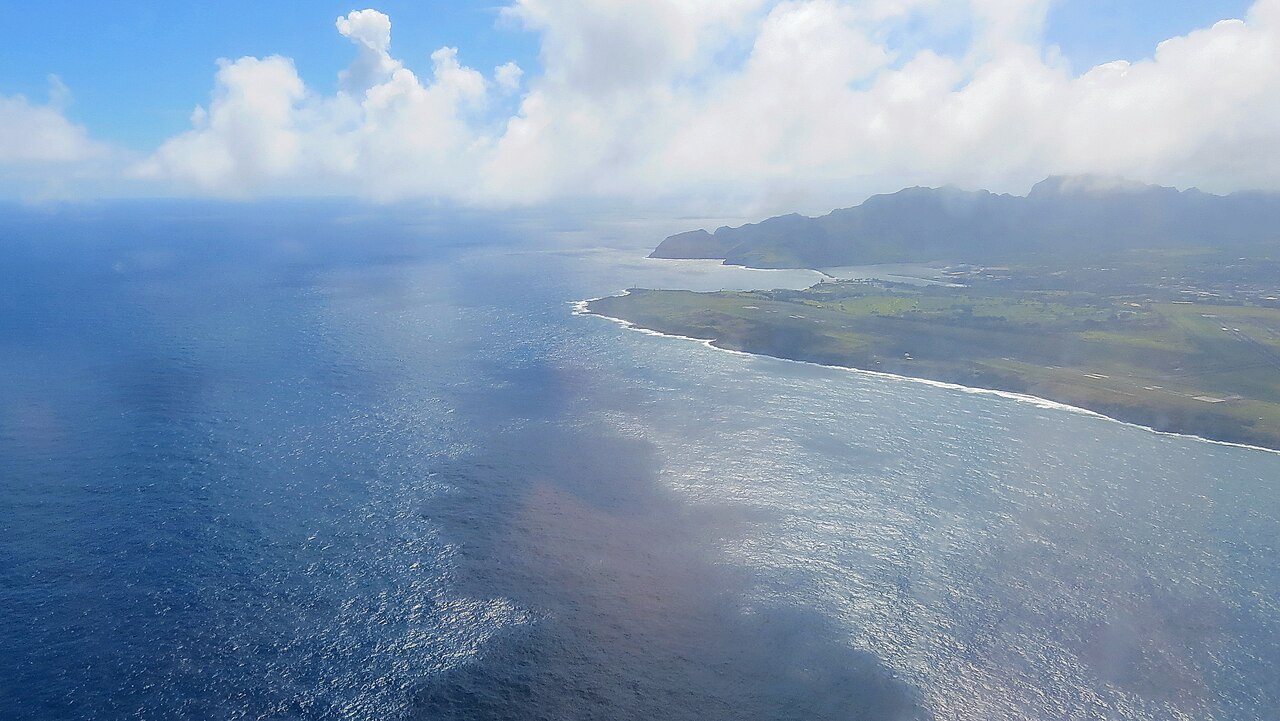
Photo: Robert Linsdell from St. Andrews, Canada · CC BY 2.0. Reference photograph: Flight from Kauai to Oahu. Kauai Coastline (503254) (17042247858).jpg. It does not establish current access, weather, operations or a future event. Display may crop the original.
_(17042247858).jpg)
Choose the base from the main interests
List the places and activities you genuinely want, then group them geographically. Compare the exact property location with those clusters, meals and the airport route. A North Shore, East Side or South Shore stay can create a different daily pattern. Do not choose solely from a beach-view photograph. Confirm parking, mandatory charges and the room arrangement, and ask about the actual path from vehicle or reception to the room where access matters.
Use one base as the default
A week can work well without changing accommodation. Compare any proposed split stay with the time spent packing, checkout, transport and waiting for the next room. A second base may be worthwhile if it supports distinct interests and enough nights, but it should not be added simply to reduce one long drive. A local day near the lodging is valuable when the weather or group energy calls for a simpler plan.
Make each excursion geographically coherent
Choose one main area and a small number of compatible stops. Use current official access and reservation information for the specific sites. A scenic road journey can be part of the experience, but include meals, parking and the return rather than only the map's driving estimate. Do not combine distant areas just because each appears on a list of essentials. Leave the following period lighter after a long day.
Treat hiking as a separate suitability decision
Check the actual route, current status, permit or reservation requirements and conditions through the responsible authority. A photograph does not establish suitability for a beginner or for wet weather. Stay on permitted routes and follow closures. Choose an appropriate managed alternative if the terrain or conditions exceed your ability. This beach-holiday framework is not a substitute for specialist preparation or current trail guidance.
Keep beach choices current
Use Hawaii's official ocean-safety resources and lifeguard advice, and follow warnings and closures. Conditions can vary by coast, season and day. Do not assume a sheltered-looking bay or another swimmer proves safety. Choose suitable supervised settings and activities that fit personal ability. A shore walk, shade and a meal can provide a satisfying day without entering the water, especially when the current advice does not support it.
Give culture and food their own time
Research current cultural venues, local events or food interests through official and provider sources. Avoid treating communities as a series of scenic stops. Ask before photographing people and respect places that are private, restricted or culturally sensitive. Check menus and dietary needs directly rather than claiming unvisited restaurants are tested favorites. Keep an uncomplicated meal available on long excursion days so the return does not become another deadline.
Build a weather alternative near the base
Choose a real indoor or local option with confirmed opening information, not a vague promise to find something later. Check current weather and access notices before leaving each day. A poor forecast in one area does not automatically justify a long drive to another without assessing the route and conditions. Comfortable accommodation and nearby meals make a changed day easier. Rest can be a deliberate choice rather than a failed itinerary.
Protect the final airport journey
Work backward from the airline's required arrival and include fuel or rental return where relevant. Keep the final morning near the base or stored luggage. Do not add a distant trail or shore visit that depends on an exact return time. A slow trip succeeds by giving the island's places enough attention and respecting their limits. It does not need to complete every route or produce a new beach photograph each day.
Your working checklist
Checkmarks stay in this browser when storage is available. They do not submit information or complete a purchase.
Put it into practice
- Group the main interests before selecting a coast.
- Compare one base with any proposed split stay.
- Choose coherent excursion areas with complete returns.
- Verify hiking access and suitability separately.
- Use current ocean-safety advice for shore decisions.
- Keep a real local weather alternative.
- Protect the final airport journey and rental return.
Before you finish
- No trail is assumed suitable from a photograph.
- Coast conditions are checked rather than generalized.
- A second base earns its added move.
- The final day stays geographically conservative.
Common questions
Should I stay on the North or South Shore?
Use the activities, meals, property needs and season-specific conditions that matter to you. Neither label answers every trip. Compare the exact base and repeated journeys rather than a universal ranking.
Can I visit the whole island from one hotel?
You can plan excursions, but distance and route constraints still matter. Group days geographically and avoid treating every map pin as a quick stop. One base works best with a selective interest list.
Are popular hikes always open?
No. Check the responsible authority's current status, permits, reservations and conditions. Follow closures and choose an alternative when the route does not fit your preparation or ability.
Is a beach day wasted if I do not swim?
No. Shoreline time, shade, food and appropriate walking can be worthwhile. Water entry should follow current conditions and personal ability, not a need to justify the holiday.